What Research Actually Says About Inflammation and Food
You deserve clear information, not hype. This portal draws on peer-reviewed nutrition science to explain how dietary patterns relate to inflammatory processes, without overpromising or selling anything.
How This Portal Works
Four commitments guide every article and explanation you find here.
Peer-Reviewed Sources
Every claim you read traces back to published research. You will not find wellness blog opinions dressed up as science. When evidence is mixed or limited, you will know that too.
No Fearmongering
Inflammation is a normal biological process. Your body needs it. The nuance matters enormously, and this portal treats you as someone capable of understanding complexity.
Zero Supplement Recommendations
You will not find product links, affiliate codes, or supplement advice here. Dietary patterns, not pills, are what the published literature actually studies most.
Trend vs. Evidence Distinction
Social media moves faster than clinical trials. You will always know which foods have consistent multi-study support and which are riding a wave of popular attention without deep evidence behind them.
Inflammation in Everyday Terms
When you cut your finger, the redness and warmth that follow are inflammation doing exactly what it should. Your immune system dispatches resources to the site, clears damaged tissue, and begins repair. Acute inflammation is protective and time-limited.
The conversation in nutrition research centers on a different phenomenon: low-grade, systemic inflammation that persists without an obvious wound or infection. Researchers measure it through blood markers like C-reactive protein and interleukin-6. This chronic, low-level state has been studied in relation to numerous long-term health outcomes, though the direction of causality is still being untangled in many cases.
Food is one of many inputs that appear to influence these markers. Sleep, physical activity, stress, and genetics all play roles too. Nutrition science rarely isolates a single variable cleanly, which is why this portal emphasizes patterns rather than individual ingredients.
Read the Full Explainer
Evidence vs. Social Media Trends
Some foods appear repeatedly across large, well-designed studies. Fatty fish, leafy greens, olive oil, berries, and legumes show up in meta-analyses and cohort studies with enough consistency that researchers consider the association meaningful, even if mechanisms are still being explored.
Other foods trend heavily online for months, generate enormous content volume, and then quietly fade. The research on many trending "superfoods" often consists of small studies, animal models, or isolated compounds tested in laboratory conditions, which do not translate directly to human dietary patterns.
You will find a clear breakdown of both categories in the guides here. The goal is not to dismiss curiosity about new foods, but to help you calibrate how much confidence to place in different types of evidence.
Browse the Evidence Breakdown
Why No Single Food Changes the Picture
The concept of a "superfood" is a marketing category, not a scientific one. Published nutrition research consistently shows that overall dietary patterns, measured across months and years, explain far more variation in inflammatory markers than any individual food.
You could add turmeric to every meal and still consume a diet that the literature associates with higher inflammatory load overall. Conversely, a diet built around a wide variety of plant foods, quality fats, and moderate portions of fish and legumes shows associations with lower markers even without any single "hero" ingredient.
This is not a reason to dismiss individual foods. It is a reason to understand them in context. Each section of this portal places individual foods within the larger pattern they belong to.
Understand Pattern vs. Ingredient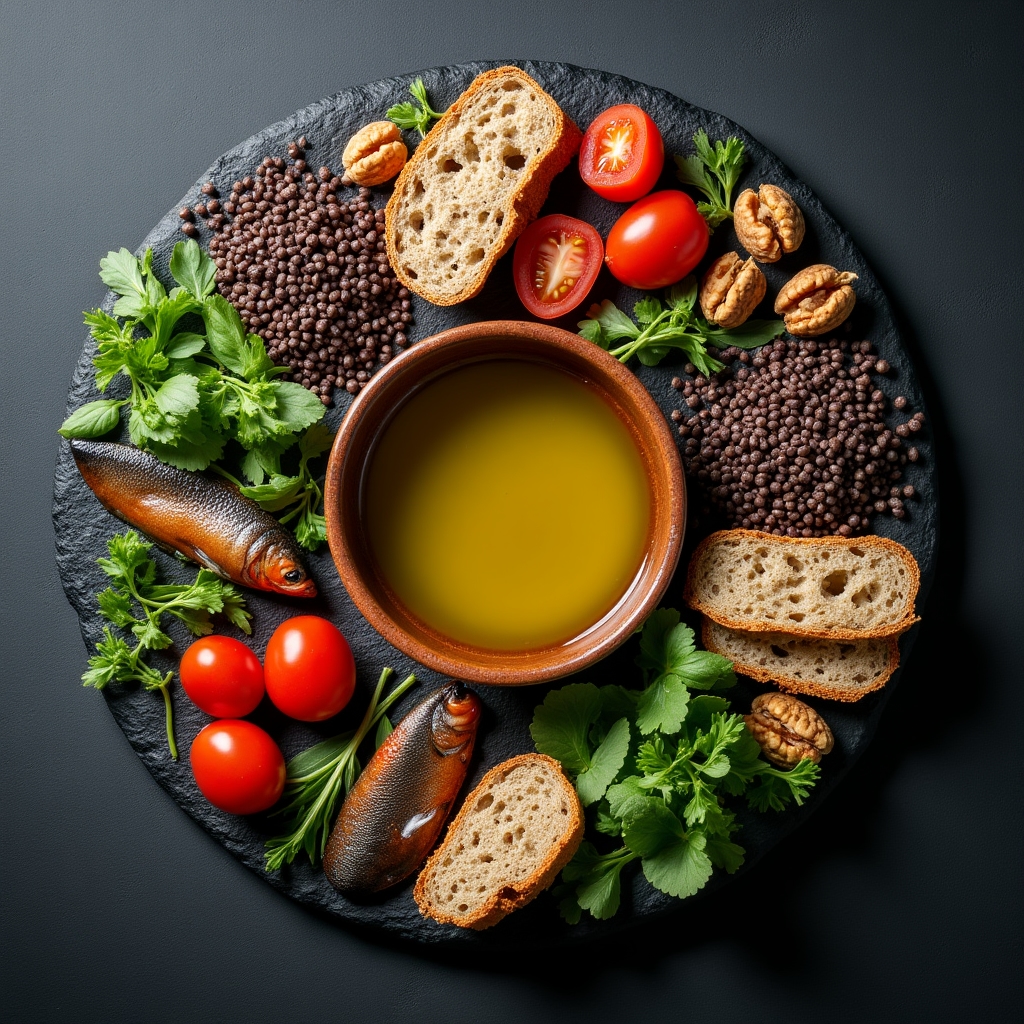
The Mediterranean Pattern: Most Studied for a Reason
No dietary pattern has accumulated as much research attention as the Mediterranean eating style. It has been studied in large randomized controlled trials, long-running cohort studies, and numerous systematic reviews. The consistency of findings across different populations and study designs is part of what makes it a reference point in nutrition science.
What does it actually include? Abundant vegetables and fruits, legumes, whole grains, olive oil as the primary fat source, moderate fish consumption, limited red meat, and moderate dairy, typically in fermented forms like yogurt and cheese. Wine appears in some versions of the pattern but is not a defining feature in research contexts.
It is a pattern of abundance rather than restriction. Understanding what it includes, and why researchers find it interesting, is different from prescribing it as a treatment. This portal explains the research without making therapeutic claims.
Explore the Mediterranean Research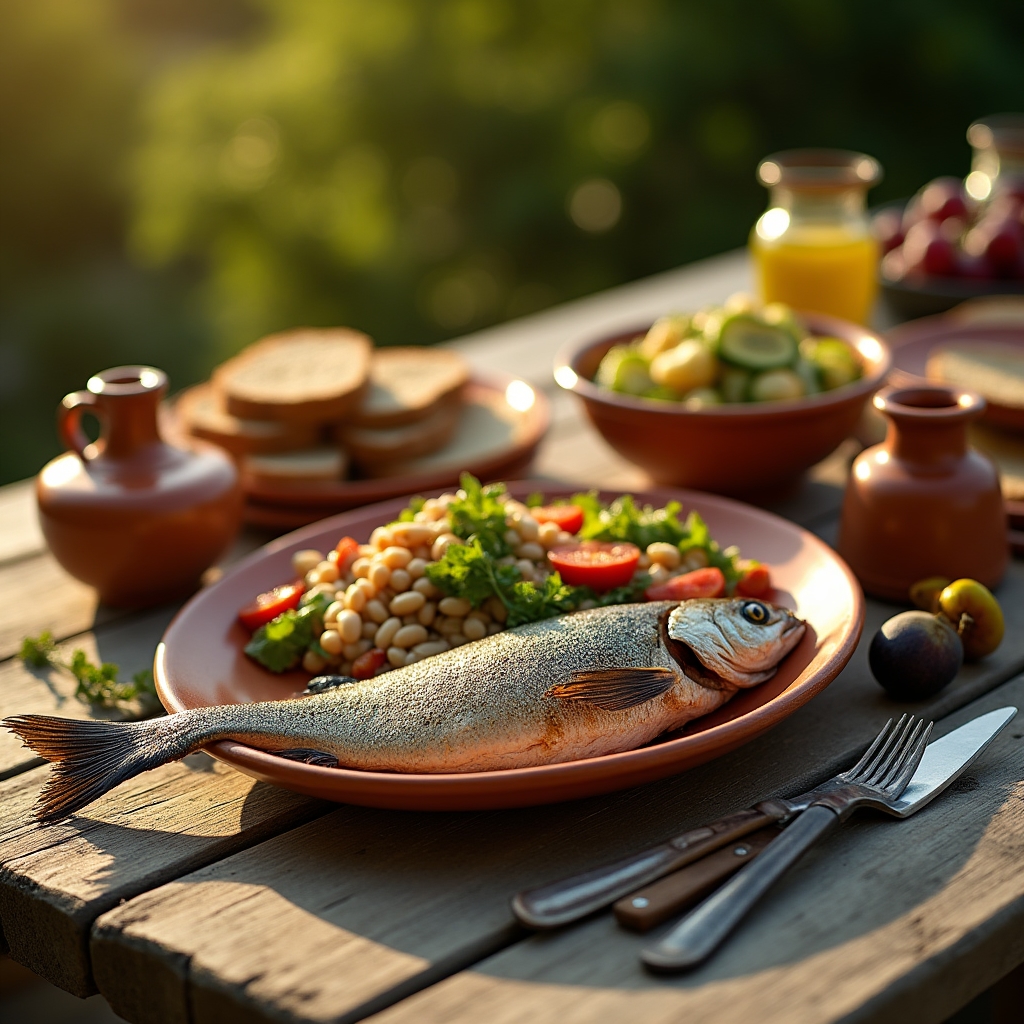
How Nutrition Research Works
Before drawing conclusions from any study, it helps to understand how different research designs contribute different types of evidence.
Observational Studies
Researchers track what large populations eat over years and look for associations with health outcomes. These studies can identify patterns but cannot prove causation. Confounding variables, where people who eat certain foods also differ in other ways, are a persistent challenge.
Randomized Controlled Trials
Participants are assigned to dietary interventions and outcomes are measured against a control group. These designs reduce confounding but are difficult to run for long periods. Blinding participants to their diet is essentially impossible, which introduces its own complications.
Meta-Analyses and Systematic Reviews
These synthesize findings across multiple studies. When a meta-analysis draws on well-designed studies and finds consistent results, it carries more weight than any single trial. This is the level of evidence this portal prioritizes when explaining dietary associations.
Biomarker Studies
Some research measures inflammatory markers in blood before and after dietary changes. These mechanistic studies help researchers understand how food might influence biological pathways, though short-duration studies may not reflect long-term dietary effects.
You Might Be Looking for This If...

You Read Headlines Critically
Every week brings a new food declared either miraculous or dangerous. You want context, not another breathless announcement. This portal explains what the underlying research actually shows and what its limitations are.
See if this fits you
You Want to Understand Patterns
Not a meal plan. Not a list of forbidden foods. You want to understand the logic behind why certain eating patterns appear repeatedly in research, so you can make sense of information you encounter elsewhere.
Explore who this serves
You Are Building a Knowledge Base
Students, health educators, and curious generalists use this portal as a starting point for understanding how nutrition science approaches inflammatory processes, before diving into primary literature themselves.
Learn moreGuides Built for Clarity
Each guide is written to stand alone. You can start anywhere and build understanding at your own pace.
What Inflammation Actually Is
A plain-language explanation of acute vs. chronic inflammation, how researchers measure it, and why the distinction matters for interpreting nutrition claims.
Read guideThe Mediterranean Pattern Explained
What this eating style actually includes, how it came to dominate nutrition research, and what the most cited studies have examined about its relationship to inflammatory markers.
Read guideReading Nutrition Headlines Without Getting Lost
How to identify what type of study is behind a headline, what "association" actually means, and why a single study rarely changes the scientific consensus.
Read guideFoods with Consistent Study Support
A research-based overview of which foods appear most consistently across multiple well-designed studies, and what the proposed mechanisms are for those associations.
Browse topics$ query --source peer-reviewed --topic anti-inflammatory-patterns
Loading educational content from published research...
Found: Inflammation explainers, Mediterranean diet overview, evidence vs. trend breakdowns, research methodology guides.
No supplement recommendations. No therapeutic claims. No fearmongering.
$ _